
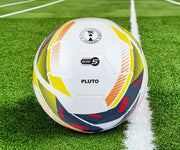
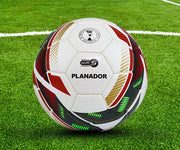
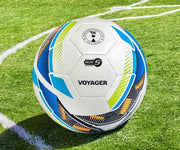
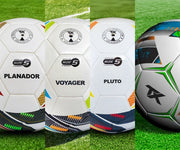


The size of the football can make a real difference to how comfortable you feel on the pitch, from controlling the ball to passing and shooting. A ball that feels perfect for an adult can feel awkward for a young player, while a smaller size may feel too light once a player moves into more competitive football.
That is exactly why size matters.
When comparing a size 3 vs size 4 vs size 5, the difference goes beyond a few centimetres. Each size is designed for a different stage of the player’s development, affecting everything from ball control and passing to shooting and confidence on the pitch.
Soccer Ball Sizes at a Glance
| Ball Size | Circumference | Typical Use |
|---|---|---|
| Size 3 | 58-61 cm | Younger players |
| Size 4 | 63.5-66 cm | Youth players |
| Size 5 | 68-70 cm | Teenagers and adults |
Size 3 Soccer Ball: A Great Choice for Younger Players
This one measures approximately 58-61 cm in circumference; its smaller dimension makes it easier for younger children to carry, dribble, pass, and control.
TX Football generally associates size 3 with younger junior players, particularly those around 10 and under. However, age groups can vary between competitions, so it is worth checking the requirements of the child’s club or league.
If you are looking for the best soccer ball for kids, size 3 is often a sensible starting point for younger players developing their basic football skills.
Size 4 Soccer Ball: The Youth Standard
Measuring around 63 to 66 cm, it strikes a comfortable balance between a junior ball and the full-sized football. It gives developing players more of the feel and presence of a larger ball without making it unnecessarily difficult to control.
TX Football commonly recommends this specific size for youth players around 11 to 14 years old, although some youth competitors may use different formats or age brackets.
Size 5 Soccer Ball: The Adult Standard
Once players move into senior football, the size gets noticeably bigger and heavier.
This is the standard full-size football in senior and professional competition. Under IFAB's Laws of the Game, it must have a circumference of 68 to 70 cm and weigh 410 to 450 g at the start of play. It must also meet requirements for shape and pressure.
What Is the Difference Between Size 3 vs Size 4 vs Size 5 Soccer Balls?
The biggest differences are circumference and weight.
Size 3 is smaller and easier for young children to handle. Size 4 introduces players to a larger size while staying comfortable to control. Size 5 provides the full dimensions and weight used in senior football.
The goal isn't to move to the biggest ball as quickly as possible. The right dimension should challenge the player without making basic skills unnecessarily difficult.
What Size Soccer Ball Should a Child Use?
Start with your club or competition’s requirements, then consider your child's age and development.
As a general guide:
- Younger children: Size 3
- Youth players: Size 4
- Older teenagers and adults: Size 5
If you’re buying a ball for training at home, choose a dimension that the player can comfortably control and use with confidence.
Why Soccer Ball Dimensions Matter
The size of a football affects much more than its appearance. It changes how the ball feels when a player receives it, how much effort they need to put into a pass, and how comfortable they feel when dribbling or shooting.
For younger players, an appropriately sized ball lets them focus on technique rather than fighting a ball that feels too large or heavy.
Picking the Right TX Football
Once you know which size you need, there is more to consider than the number printed on the ball.
Consider where it will be used, how often it will be kicked, and whether you need a training or match ball. Construction, outer material, durability, and playing surface can all affect how the football performs.
TX Football offers different footballs and sizes to suit players at various stages, making it easier to find an option that fits both the player and the way they play.