


Rain can change the way a football feels on the pitch. A ball that is easy to control in dry conditions can feel quite different once it is wet, affecting touches, passes, and overall handling. For players who train and play outdoors throughout the year, choosing the right football can help maintain a more consistent playing experience, even when the weather does not cooperate.
So, what makes a football fit for playing in the rain? A built-to-last structure, a rain-tight exterior, solid shape integrity, and being easily handled in the rain.
This blog will cover what to look for when choosing a football for rainy games and how different features can affect its performance in wet conditions.
What Makes a Soccer Ball Suitable for Rain?
Here are four detailed considerations to make when picking a soccer ball for rainy days.
1. Water-resistant outer material
The outer casing is in direct contact with rain, damp grass, and mud. The TX Climate Football features a water-resistant PU surface, 1.2 mm microfiber backing, and thermally bonded construction, making it well suited to regular outdoor play.
2. Durable construction
Rainy games are typically wetter, harder to tackle, and involve much contact with the ground. A soccer ball must be strong enough to hold its shape after repeated use.
Built with reinforced latex, TX Football’s Climate Football is made to handle the demands of regular outdoor play. It’s a tough and reliable choice for players who don’t want the weather to get in the way of game time.
3. A surface suited to outdoor play
A ball made for repeated outdoor use must resist grass and turf, weather, and impacts. No matter how good a ball looks, a durable outer casing is as important.
When buying soccer balls for outdoor use, TX Football highlights the need to consider construction and materials, as they should be weather-resistant and suitable for grass and turf.
Is a Water-Resistant Soccer Ball Better for Rainy Games?
Yes. A water-resistant soccer ball is a better choice for rainy games because it takes on less water, which helps it maintain a more consistent weight, feel, and performance during play. It can also help prevent the ball from becoming heavier and harder to control as the game goes on.
How Do I Keep a Soccer Ball From Getting Slippery in the Rain?
While you cannot eliminate the risk of a wet ball becoming harder to handle, you can lessen it:
- Select a ball that has a water-resistant surface.
- Clean off any excess water and mud on the ball between points.
- DO NOT leave the ball in puddles.
- Don't store it wet. Allow it to air dry after the match.
- Clean dirt from the surface with a soft, damp cloth.
- Maintain the correct pressure as recommended by the manufacturer.
- Do not use strong cleaning chemicals or use the ball near a strong heat source for quick drying. Excessive heat may damage the weathering materials of the exterior.
Which TX Football Is Best for Wet Weather?
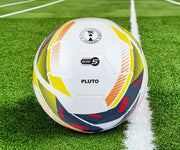
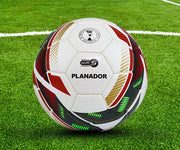
For players looking for a premium soccer ball for outdoor conditions, the TX Climate Football stands out because of its water-resistant PU surface, thermally bonded construction, reinforced durability, and air-cushion technology. TX Football designed it around both performance and sustainability, using recycled PET bottles in its upper casing.
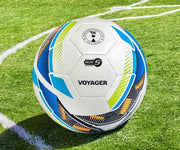
The Voyager Hybrid Soccer Ball offers another option for players who prioritize durability and consistent performance. Its textured PU casing, laminated backing, foam air cushion, and reinforced construction make it suitable for demanding training and outdoor play.
The right choice depends on how and where you play. For frequent rainy weather, prioritizing water-resistant and durable construction makes more sense than choosing a ball based purely on appearance or price.